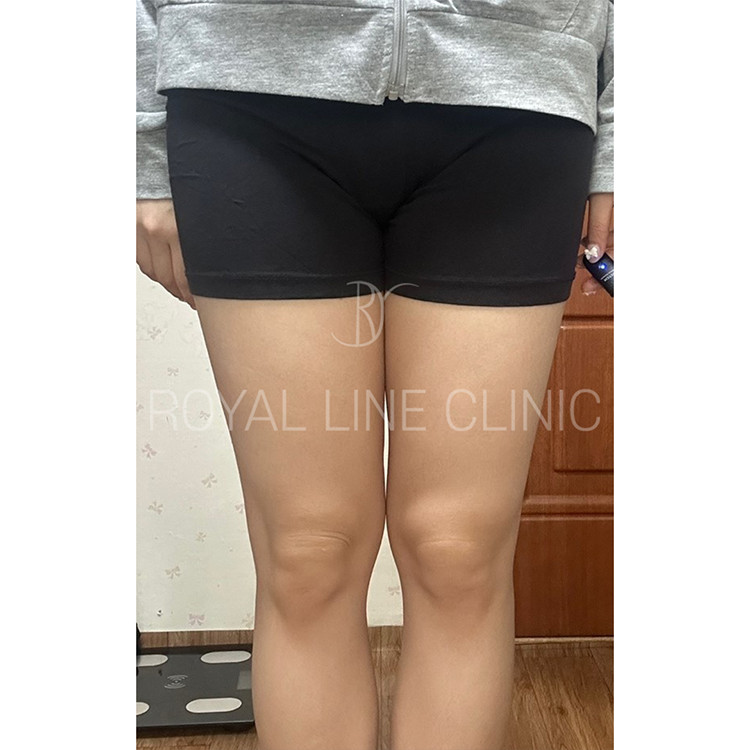
Abdomen & flank liposuction — the waist line
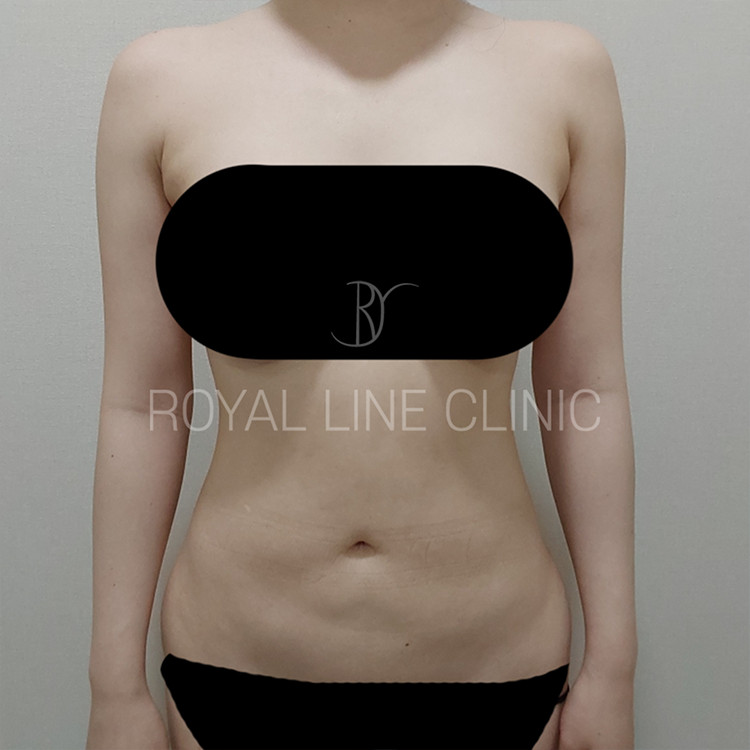
Abdominal liposuction spans the upper, lower and side (flank) abdomen, designed as one waist line. Also, liposuction addresses subcutaneous fat — so it is important to set expectations against visceral fat.
The abdomen is a region of several surfaces that connect to the flanks, so treating one part alone can look awkward. This guide covers the abdominal regions and the types of fat.
The abdomen in three parts
- Upper abdomen: below the sternum; folds when seated
- Lower abdomen: below the navel; fat accumulates easily
- Flank (side): the waist side line; sets the "cinch" of the waist
Abdomen and flanks belong together
Because the abdomen and flanks share the waist line, treating the abdomen alone can leave the side line and look awkward. Designing the waist cinch together is more natural.
The abdomen is governed by "waist line flow" more than "flatness." A defined waist comes from including the flanks.
Subcutaneous vs visceral fat
Liposuction addresses the subcutaneous fat beneath the skin. The visceral fat inside the abdomen is not a target, so where visceral fat is significant, liposuction alone may not reduce the belly enough. That is why the two are distinguished in consultation to set expectations. The ASPS explains liposuction is for contouring, not weight loss.
The Royal Line approach & references
Royal Line designs the upper, lower and flank abdomen as one waist line with the three-step Lot Liposuction® method, checking subcutaneous vs visceral fat and skin elasticity. Where post-pregnancy elasticity or the abdominal wall is involved, the approach may differ. Together with Mayo Clinic and Cleveland Clinic guidance, plans and expectations are confirmed with a physician.