Operating-room CCTV in Korea — a patient right you can use
Since 25 September 2023, Korean law (Medical Service Act, Article 38-2) requires hospitals performing surgery on patients who are unconscious under general or sedation anaesthesia to install CCTV in the operating room and to record when the patient requests it. Requesting takes one form, signed before surgery.
"I have no way of knowing what happens once I am asleep." For patients travelling from abroad, who cannot drop in beforehand and may never meet the operating team until the day itself, that concern is sharper. Korean law provides a concrete answer that many international patients are simply never told about.
Which operations are covered
The requirement applies to surgery performed while the patient is unable to perceive or respond — that is, under general anaesthesia or sedation. The legal basis is Article 38-2 of Korea's Medical Service Act.
Hospitals performing such surgery must install CCTV inside the operating room, and must record when the patient or their guardian asks. Liposuction performed under sedation or general anaesthesia falls within scope. If your procedure is planned under local anaesthesia only, it does not. Which anaesthesia applies to your case is set out in our anaesthesia guide.
How to request it — one form, before surgery
- When: before the operation begins. The safest point is at the consultation or consent stage, together with your other paperwork.
- How: complete the recording request form the hospital keeps for this purpose. The patient or their guardian may request it.
- Cost: as a principle, no separate charge is made for the recording itself.
At consultation, ask: "Do you have the CCTV recording request form ready?" The law has been in force for a considerable time, so a clinic that handles the request routinely — and produces the form without hesitation — is operating the system normally. Hesitation is itself information.
When a hospital may decline
The law allows limited exceptions — emergency surgery, high-risk operations where life is at stake, and cases where recording would significantly impede the training of resident doctors. Even then, the hospital must explain its reason to the patient.
Elective cosmetic liposuction, planned in advance, does not normally fall into these exceptions. If a clinic declines your request for such a procedure without a clear explanation, treat that as a meaningful signal.
How the footage is kept
Recordings are retained for at least 30 days from the date of filming, and arbitrary deletion or leaking is prohibited. Access and disclosure follow legally defined procedures — medical dispute mediation or arbitration, investigation, or court proceedings.
In other words, nobody browses the footage casually. It exists as evidence should something go wrong. That is precisely what makes it useful: it is not surveillance of your care, it is a record that can be examined if a question is ever raised.
What matters more than the camera
CCTV verifies after the fact. The more fundamental safeguard is a structure in which the doctor who consulted you is the doctor who operates. Where a clinic has many operating surgeons and assigns cases flexibly, the patient has more to verify — and less ability to verify it from abroad.
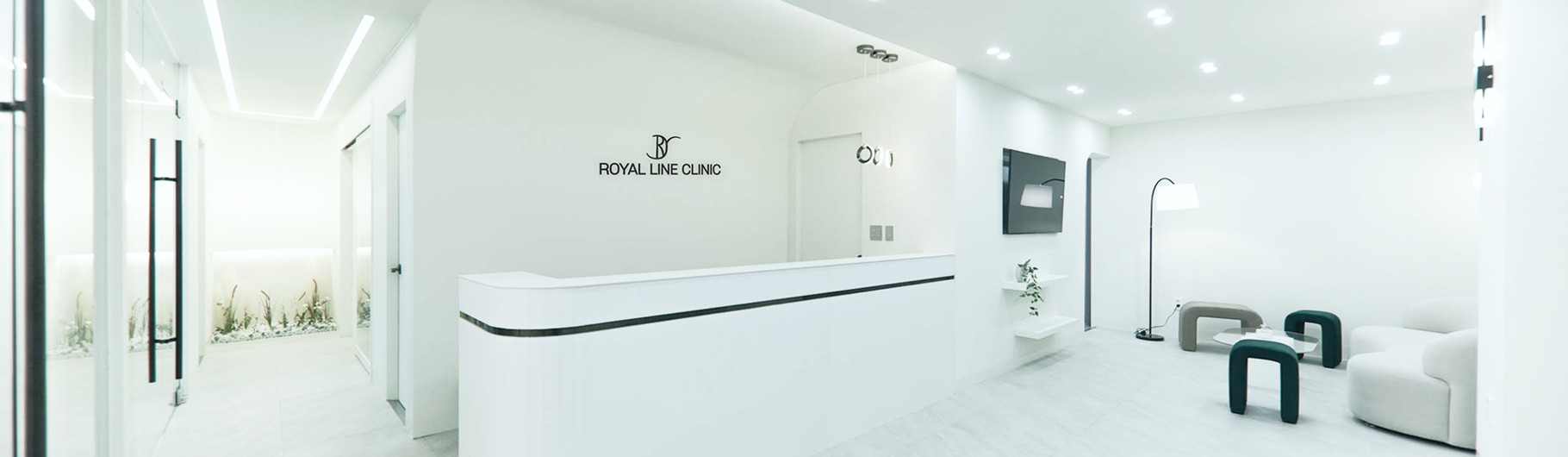
Royal Line Clinic is a single-director practice in Gangnam, Seoul. Director Kim In-gu, MD conducts the consultation and performs the surgery himself, and we answer questions about the CCTV request procedure and our wider safety setup openly at consultation. How to check a surgeon's credentials before you travel is covered in choosing a liposuction clinic in Korea.