Calf liposuction — why muscle vs fat decides the result
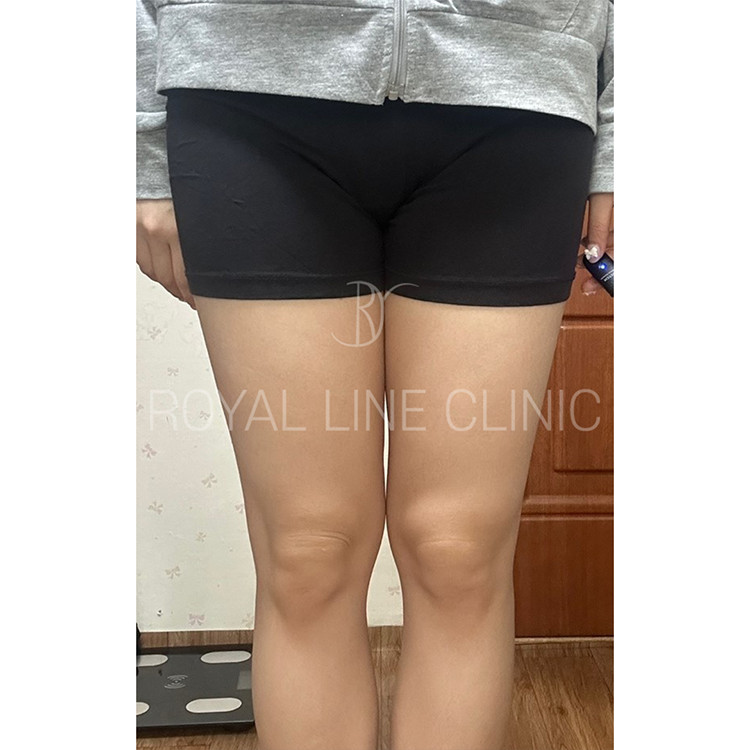
Liposuction removes subcutaneous fat only. If your calf shape is driven by muscle volume, liposuction will change less than you expect. That is why the first step is not booking a date — it is separating fat from muscle.
Calf contouring is one of the procedures international patients most often ask about in Korea. It is also the one where expectations and reality diverge most often. The reason is simple: not every thick-looking calf is made of fat.
Three calf types — and only one responds fully
Calves fall into roughly three patterns, and the honest answer about what liposuction can do depends entirely on which one you have.
- Fat-dominant: a soft layer that can be pinched. This is the type liposuction addresses directly.
- Muscle-dominant: the gastrocnemius stands out, especially when you rise onto your toes. Liposuction does not reduce muscle.
- Mixed: both are present. Liposuction can improve the outline, but the muscle component sets a ceiling on the change.
A simple check at consultation: stand and lift your heels. If the bulge becomes harder and more defined, muscle is a significant contributor. If the shape stays soft and pinchable, fat is dominant.
What liposuction can and cannot reach
The American Society of Plastic Surgeons describes liposuction as a procedure for removing localised fat deposits, not as a weight-loss method. In the calf this distinction is unusually visible, because the fat layer is thin to begin with.
The calf also has less fat to work with than the abdomen or thigh, and the skin wraps a relatively small circumference. Removing too much does not produce a slimmer line — it produces irregularity. Restraint here is a technical requirement, not caution for its own sake.
If your assessment points to muscle rather than fat, a responsible clinic will tell you that liposuction is not the answer for your calf, rather than proceeding anyway. That conversation is a good signal about the clinic.
Recovery takes longer here — plan your stay accordingly
The calf is below the heart and carries your body weight with every step, so swelling drains more slowly than in other areas. Expect a longer settling period than for abdomen or arms, and expect the early days to feel restrictive.
- Walking is encouraged early — it supports circulation — but long standing and long walks are not.
- Compression is worn over a wider span of the leg and matters more here than in most areas.
- Final line becomes visible later than patients expect; weeks to months, not days.
Mayo Clinic notes that contour irregularity and swelling are recognised parts of the liposuction course. For travelling patients this matters practically: build your itinerary around the early follow-up window rather than the flight date. Our recovery timeline guide sets out how long to stay in Seoul.
Symmetry and the Royal Line approach
Calves are always seen as a pair, and small differences show once the fat layer thins. We measure both sides separately before surgery so the goal is a matched line, not a matched volume removed.
At Royal Line Clinic in Gangnam, Seoul, director Kim In-gu, MD assesses the muscle-to-fat ratio himself and says plainly when liposuction will not deliver what a patient has in mind. Where the calf is part of a wider lower-body plan, we design it together with the thigh line — see thigh liposuction and liposuction by body area.
Results vary between individuals and are confirmed in consultation.