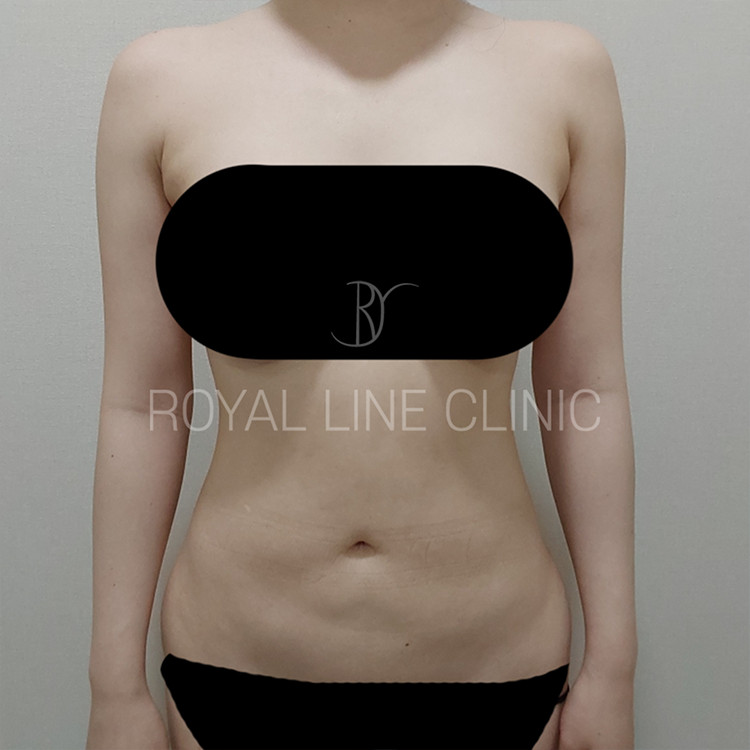
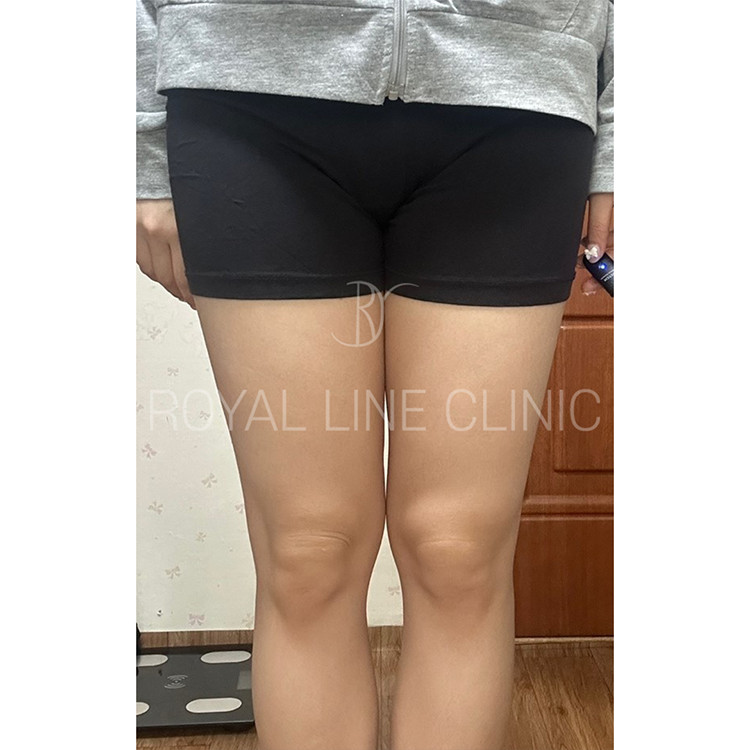
Revision liposuction in Seoul — timing & correction
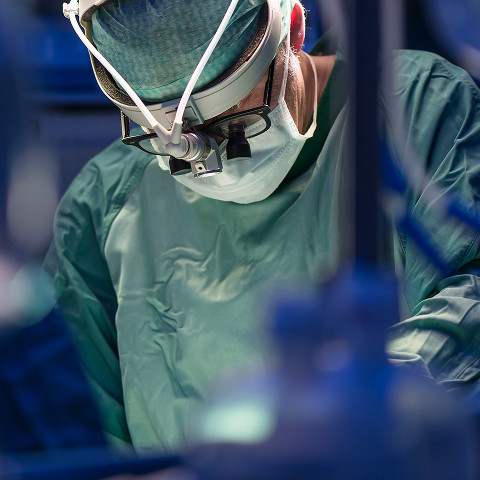
Revision liposuction is a separate procedure that corrects unevenness, asymmetry or residual fat left by earlier surgery — often performed elsewhere. At Royal Line, the director first reviews your previous records and current tissue condition before deciding on timing and direction.
Patients searching for "revision liposuction Korea" usually feel their first result is uneven, asymmetric or under-corrected. Revision is not simply "removing more fat" — it begins with identifying why the result turned out as it did. This article explains when revision is possible, what is assessed beforehand, and why it is more demanding.
Common reasons for revision
- Surface irregularity: residual fat left unevenly, or adhesion and fibrosis
- Asymmetry: a volume difference between sides or areas
- Under-correction: the target line was not reached
- Over-correction: a depression where too much was removed — sometimes addressed with fat grafting
When revision is possible
Timing depends on swelling and tissue adhesion settling. Tissue continues to change for months after liposuction, and early irregularity can soften over time. Rather than deciding early, revision is commonly considered at least six months after the first procedure. Because recovery varies, the actual timing is confirmed in consultation.
What is assessed before revision
| Item | What is checked |
|---|---|
| Adhesion / fibrosis | How much scar tissue formed — affects access and evenness |
| Residual fat | Whether removable fat actually remains, and where |
| Skin elasticity | Retraction capacity — low elasticity limits surface improvement |
| Cause of asymmetry | Fat volume vs muscle or skeletal factors |
| Previous records | Areas, extent and method — the basis of the plan |
The same "lumpiness" can have different causes — residual fat, adhesion or a depression — and each calls for a different approach. Identifying the cause is the starting point.
Why revision is more demanding
Previously operated tissue develops adhesion and fibrosis, blurring the boundary between the fat layer and other planes. This makes even fat handling harder and requires precise judgement. The American Society of Plastic Surgeons (ASPS) advises that liposuction be approached after a thorough assessment of body and tissue condition — which matters even more in revision.
The Royal Line approach
At Royal Line, the director, Dr. Kim In-gu, reviews your previous records and current tissue condition (adhesion, residual fat, skin elasticity) first, and handles consultation, surgery and follow-up personally. Because revision has limits on how much it can improve, the consultation prioritises confirming the realistic range and limitations rather than promising outcomes. English-speaking staff and a Japanese coordinator support international patients throughout.